Our News
The Silent Majority Delivering Climate Action
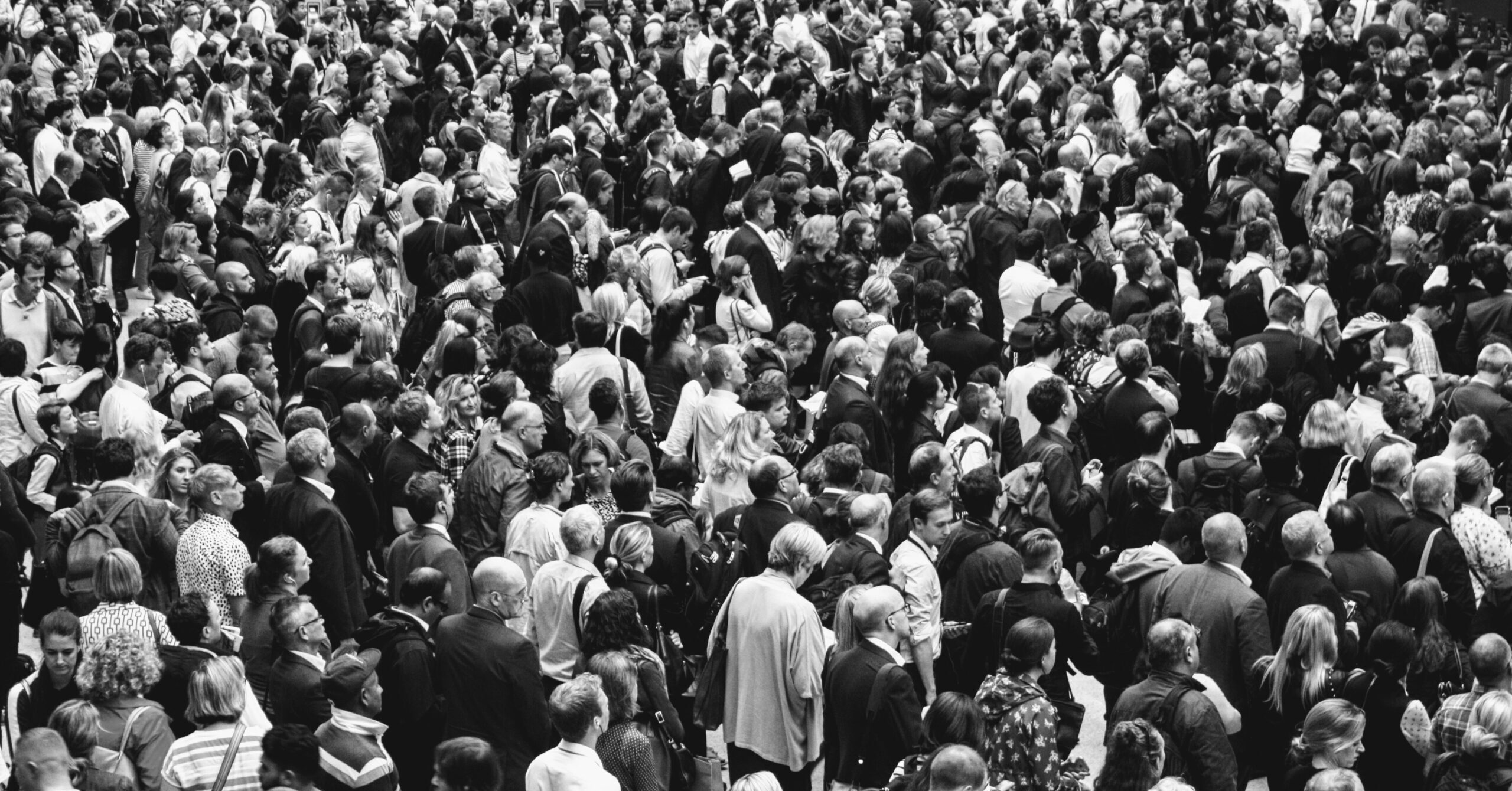
Image credit: Rob Curran via Unsplash
At the start of the year, we passed the milestone of 150,000 certified Carbon Literate citizens. It’s now time for us to shine a light on some of the people behind that number. People from all parts of society across the globe have been a part of The Carbon Literacy Project. Their stories are best told by reflecting on their pledges to reduce carbon emissions.
As any attentive Carbon Literacy learner will know, The Carbon Literacy Project works to equip people everywhere with the tools to understand and reduce their carbon emissions, influence shared attitudes, and enable collective action. Participants learn how emissions are created and, importantly, how their choices can make a tangible difference. Each learner leaves with personal and collective pledges that transform their learning into measurable commitments.
Teachers, Farmers, Workers, Voters
Pledges are the starting point for change, representing the moment learning becomes actionable. As we recount the pledges made by previous learners, we illuminate the potential for progress in every conceivable sector and demonstrate inspirational willingness at every professional level. 309,556 pledges from 13,858 organisations in 47 nations. The diversity of people and ideas in this community highlights the shared concern for our emissions and provides insight into where ordinary people deliver boots-on-the-ground solutions.
Australian University Professors committing to align their course modules with the SDGs and integrate Carbon Literacy concepts into their curriculum material. Australia is undergoing a rapid transition from a coal-reliant energy system to one increasingly powered by renewables. The dissemination of climate science to the next generation, as in this case, is important to continue this progress and to further the pursuit of a zero-carbon system.
Hebridean Farmhands initiating brownfield rewilding schemes and conducting feasibility studies into methane reduction strategies for their cattle stock. It’s important to recognise the role of emissions in the food we choose to eat; It’s just as important to recognise the role of emissions in how we choose to produce and source it. We all have complicated relationships with emissions, but the best change often comes from when we consider the unique powers we have in our immediate community.
Transport for London Vehicle Engineers integrating carbon accounting into their systems testing. Their curiosity encourages them to look deeper and unravel inefficiencies, finding simple operational changes that have massive emission savings implications. By their own calculations, their department could cut up to 85% of its carbon footprint by switching to less intensive lighting systems. Positive change comes from being educated and inspired to look closer at how our systems function (As Engineers love to do!).
Fashion-Textile Procurers in London investigating the hidden and often omitted emissions of their garments. They’re reflecting on the great results they’ve seen from reducing their Scope 1 and 2 emissions, using renewable energy suppliers to power their sewing machines and electric vehicles to keep their business moving. But, as is the case for many, their largest contributor to carbon emissions is Scope 3; the indirect emissions produced in the supply chain before the brand ever touches the fabric. To target these shrouded emissions, they’re building an environmental management system. They’re learning to engage with suppliers, to understand who has an appetite for decarbonisation, and to document how well these emissions are considered throughout the supply chain. This improved knowledge informs sourcing and buying decisions and builds a supply chain that is more capable of recording and reducing carbon emissions.
There have been over 309,000 pledges made to reduce carbon emissions. As this continues to grow, and more of us recognise that discourse and action work best together, it influences our social momentum and snowballs into something greater than the sum of its parts.
The 89 Percent Project
A hazy atmosphere of dubious political ambitions is unfolding and all-too-successful misinformation adds to an uncertain future. This may be making it harder to recognise that, actually, the majority of people support action against climate change. Indeed, 89% of people believe that their national governments should do more to fight global warming. The key data behind this comes from a global survey of 130,000 people across 125 nations. The study, reported by The 89 Percent Project, found that we underestimate the concerns of our neighbours, and shows that the majority of us are asking for more positive climate action from our national leaders.
Professor Teodora Boneva, at the University of Bonn in Germany, and part of the team behind the 125-nation survey, said, “The world is united in its judgment about climate change and the need to act. Our results suggest a concerted effort to correct these misperceptions could be a powerful intervention, yielding large, positive effects.”
We must consider why there isn’t a stronger government response to the climate crisis. It’s in this landscape that education and empowerment on personal and collective scales become so much more valuable.
Join The Majority
If you have a story you’d like to share about the action you’ve taken as a result of Carbon Literacy training, you can help mobilise the silent majority. Contribute to The 89 Percent Project: The People Behind the Numbers. Or contact us directly about featuring your story on our blog to inspire others. Get in touch at [email protected].
The Carbon Literacy Project isn’t just about understanding climate change. It’s about translating that knowledge into real-world action.
If you’re new to Carbon Literacy and you’d like to learn more or seek Carbon Literacy training, then contact us or browse upcoming open courses tailored to a whole host of different audiences.