Our News
Coping With Business As Usual in Extreme Heat
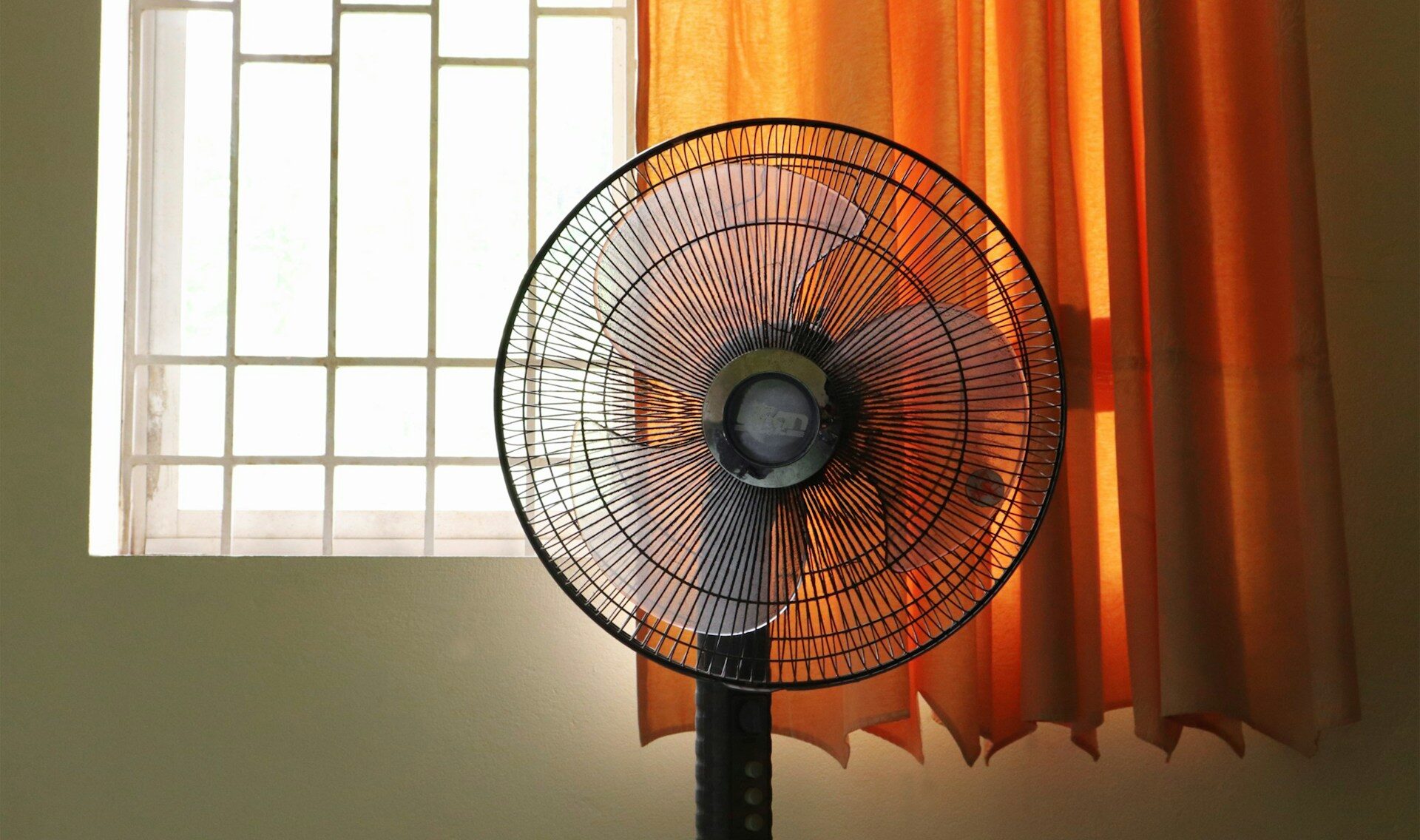
When a contractor cancelled plans to board my loft this week because “the temperatures will make the roof like a sauna”, it got me thinking about the realities of ‘carrying on as normal’ in extreme heat.
If you’ve found your life disrupted by the weather this week, you’re not alone.
Across the UK and Europe, extreme heat is dominating news headlines. Temperatures have exceeded 40°C in parts of Europe, while the UK is facing the high thirties and could hit 40°C for only the second time since records began. Health warnings have been issued, schools have been forced to close, rail networks have faced disruption, and emergency services are under increased demand.
But away from the headlines, the impacts are being felt by all; in workplaces, homes, schools, and communities. And they’re showing up in conversations with colleagues. In concerns for elderly relatives. In disrupted sleep and uncomfortable commutes.
For many people, this week’s heat is a confronting reminder that climate change is not a distant problem. It’s shaping our everyday lives now.
When the weather disrupts daily life
Extreme heat affects far more than just comfort or convenience.
For office workers, overheated buildings can make it more difficult to concentrate and be productive. For those doing manual labour or working outdoors – in construction, delivery services, landscaping, or emergency response – extreme heat can mean, like my contractor, being forced to cancel work or face serious health risks.
And it’s not just the workforce; services are affected:
- Schools need to adjust their activities or can be forced to close altogether. More than 200 schools and 100,000 pupils in the South were expected to be impacted by closures on Wednesday.
- Public transport is disrupted as rail infrastructure struggles under extreme temperatures. More than 1 in 10 train services across Britain were delayed by 30+ minutes or cancelled entirely on Wednesday morning. Network Rail and other rail firms advised customers to travel only if “absolutely necessary”.
- Healthcare services see increased pressure from heat-related illness, particularly among older people and those with existing health conditions. University Hospital Southampton NHS Foundation Trust issued a warning that its Emergency Department (ED) is “extremely busy right now” and South Western Ambulance Service reported an increase in activity with 9.5% more incidents on Sunday than expected for this time of year.
- Infrastructure is under strain as it isn’t built to withstand high temperatures. The roads in many towns and cities are made of concrete, which traps heat, and buildings are also built to trap heat for winter months. Places like London experience the urban heat island effect. Concrete, asphalt and buildings absorb heat during the day and release it slowly at night, making cities several degrees warmer than surrounding rural areas.
At home, many people face challenges, too. Sleeping becomes more difficult during unusually warm nights in homes not built for high temperatures. Caring responsibilities become more challenging when young children, older relatives, or vulnerable family members are struggling with the heat. Daily routines need adjusting. Activities are cancelled or postponed. The weather stops being small talk and starts shaping our daily decisions.
For many people, this week’s heat has also prompted an uncomfortable conversation. Alongside discussions about temperatures and forecasts comes a growing recognition that these events aren’t random flukes.
Why are heatwaves becoming more common?
Scientists have been clear for many years that climate change is increasing the frequency and intensity of heatwaves.
No single weather event can be blamed entirely on climate change. However, a warming climate makes extreme heat more likely and more severe.
The UK is already experiencing hotter summers, warmer nights, and more frequent periods of extreme heat than previous generations experienced. Across Europe, records are being broken year on year.
This matters because the impacts aren’t just environmental. They’re social, economic, and personal too. The places where we live, work, and spend time are being tested by conditions they were often never designed for.
The conversation many people are having
One positive thing about weeks like this is that it makes this reality an unavoidable truth and topic of conversation. Neighbours discuss it over the garden fence. Colleagues mention it in meetings. Families talk about it around the dinner table or in WhatsApp groups.
Many people can see that things are getting worse. The issue is that these conversations often stop at the problem. News reports tell us how hot it is. Experts explain the risks. Statistics highlight the scale of the challenge.
People are left feeling understandably concerned and worried. But also frustrated or, worse, powerless, with the question: “What is being done about it? What can I actually do about it?”
Turning concern into action
This is where Carbon Literacy comes in. Carbon Literacy training gives people the knowledge, confidence, and practical tools to make decisions in their own lives, workplaces, and communities that will reduce the impacts of climate change.
Rather than focusing solely on the scale of the challenge, Carbon Literacy helps people understand where they can make a real difference.
- As colleagues, we can help our organisations respond to and prepare for climate impacts by learning to identify opportunities to reduce emissions.
- As community members, we can support vulnerable neighbours during extreme weather and advocate for more climate-ready places.
- As citizens, we can make informed choices that help tackle the causes of climate change while supporting solutions that benefit our communities.
None of these actions will prevent this week’s heatwave. But collectively, they help prevent future heatwaves from becoming even more severe and more disruptive.
Building a future that’s fit for a changing climate
Extreme heat is becoming a reality that more of us are experiencing firsthand.
When trains are cancelled because of heat, when kids are kept out of school, when workplaces struggle to stay cool enough to function, and when families are changing their routines to cope, climate change becomes part of everyday life.
But there is another reality worth recognising too.
Across the UK and around the world, people, organisations, and communities are already taking action. They’re cutting emissions, building resilience, and helping others do the same. Every person who becomes Carbon Literate is better equipped to understand the challenges we face and play their part in delivering solutions.
- At home, that might mean changing how you travel, consume energy, buy things, invest or influence others.
- At work, it often means identifying efficiencies, reducing waste, improving procurement decisions, rethinking processes, or spotting opportunities that would otherwise be missed.
- When low-carbon thinking becomes part of everyday decision-making, that’s when organisations start to see meaningful, scalable change and linked benefits, not just for staff wellbeing, but for the bottom line and resilience.
If you want to turn your concern into action and prepare for the changing climate, Get Started with Carbon Literacy.