Our News
Building Leadership Buy-in with Carbon Literate Educator Accreditation
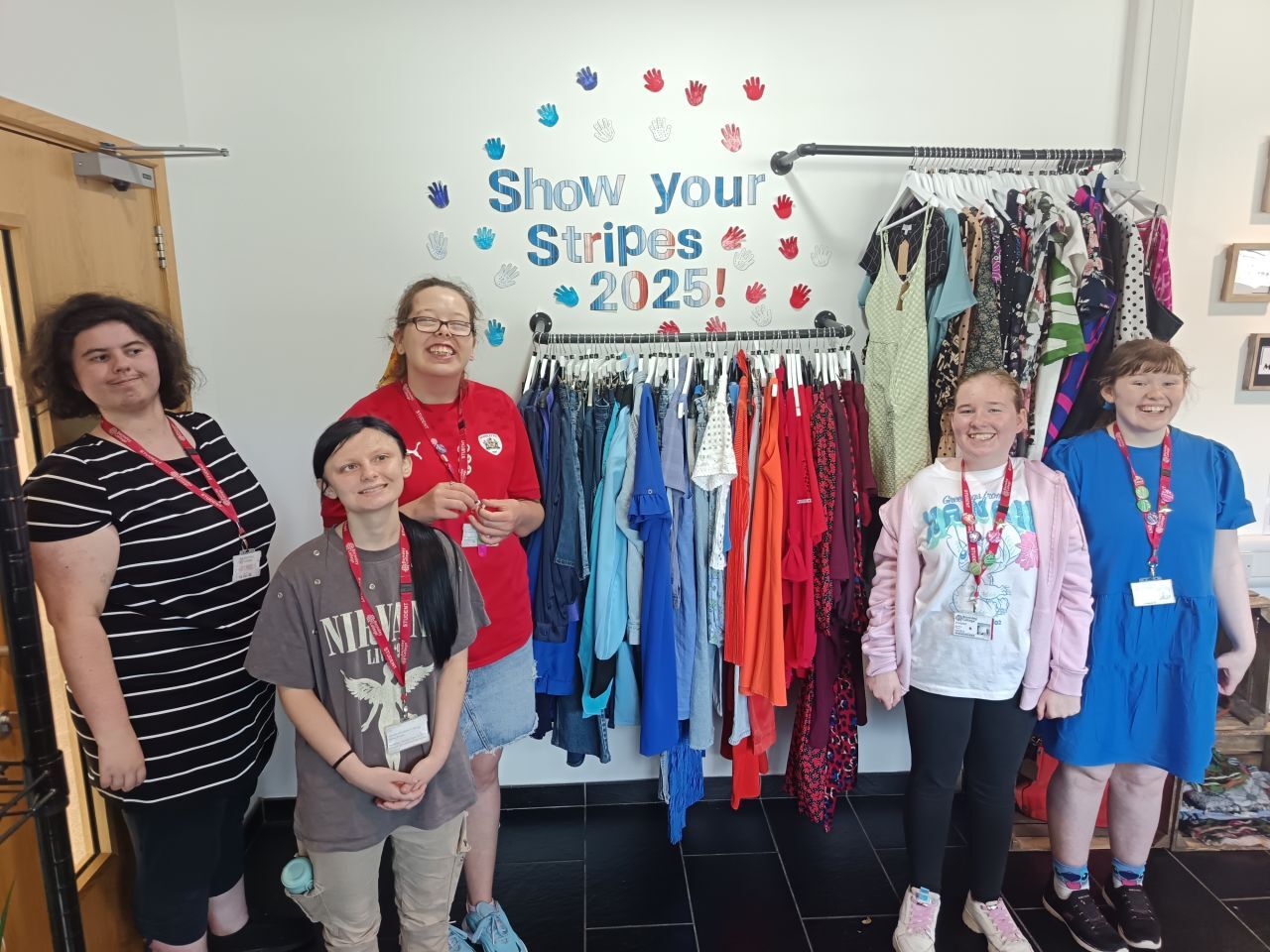
Barnsley College has embedded Carbon Literacy as a core institutional practice. Staff-wide training has driven measurable cultural change, cost savings, and capital investment decisions at the college. Open training for students supports the college’s core educational mission to prepare students for the future. The Carbon Literate Educator (CLE) accreditation framework has provided ongoing motivation and structure to Barnsley College, with Platinum now within reach following recent updates increasing the accessibility of the accreditation pathway.
We sat down with Sasha Beswick, Head of Sustainability at Barnsley College, to talk about how the CLE accreditation pathway helped to secure leadership buy-in, ongoing measurable outcomes, and organisational pride right across the college.
Slow progress before Carbon Literacy
Sasha was the first person employed to work on sustainability at Barnsley College back in 2022. The college had a history of sustainability, having built its Think Low Carbon Centre a decade ago as an example of low-carbon technologies that could be shared within the community. But the centre didn’t have much traction in the early days. When Sasha joined, the college’s sustainability strategy had been partially developed, informed by stakeholder engagement and CFO Laila Lawton, who had undergone Carbon Literacy training. Providing Carbon Literacy training to all staff as part of continuous professional development (CPD) was written into the strategy. Implementing it and ensuring results was one of Sasha’s challenges.
Accreditation attracts recognition
Barnsley College was attracted to the accreditation pathway early on, realising how easy it was to achieve Bronze. With a senior leader already trained and a plan in place for ongoing Carbon Literacy training for staff and students, the college already met most of the criteria for Bronze accreditation. It was a no-brainer to gain recognition for the work they were already doing. Governors were proud of the achievement.
Sasha appreciated that recognition goes a long way in the education sector, especially for those going out of their way to deliver something that isn’t yet in the standard curriculum. The opportunity to be celebrated helped gain buy-in from all levels of the college, from the students right up to the Governors.
Accreditation as a framework for training roll-out
Barnsley College hit the ground running – training everyone as fast as they could. For Carbon Literacy Action Day (CLAD) in 2023, they trained a record-shattering 820 learners, winning the college the CLAD Catalyst Award. The accreditation and this subsequent award win provided the momentum to keep training ongoing and open for students as well as staff. In 2024, they achieved Silver CLE status and went on to train a similarly huge number for CLAD. In 2025, Barnsley College achieved Gold CLE status, having trained more than 1900+ students and staff.
But Sasha recognises that this route isn’t achievable to all. The recent changes to the CLE Standard have broadened eligibility, enabling Barnsley to apply for Platinum in recognition of all the work they have done. But the changes have also made accreditation accessible to a broader range of educational institutions, even those just starting out with Carbon Literacy training. Sasha advises other colleges considering CLE accreditation to apply for Bronze CLE as part of their next academic year’s plan.
“It’s so easy to achieve, and once you’ve got that one leadership staff member, it opens a lot of doors.”
What measurable outcomes can accreditation help achieve?
Carbon Literacy training has given staff an awareness of carbon emissions and how that fits into the bigger picture of Barnsley College’s mission. This, in turn, has influenced some big decisions right across the college.
- The Newly retrofitted Clean Energy Training Centre (CETC) previously a motor vehicle training centre is now open, and the first of it’s kind in the region. The CETC is training people to install and maintain low-carbon technologies. Beyond the centre, the college’s estates strategy includes retrofit and decarbonisation, ensuring all buildings are not only fit for purpose, but fit for the future.
- The college’s Director of Estates pledged to electrify the college’s fleet. This is paired with a newly available staff electric-vehicle leasing scheme, providing further opportunities for staff to opt for low-carbon travel options.
- The French teacher pledged to make the annual A-level French trip as low-carbon as possible while keeping costs low. Following a carbon calculation, they now get the train over a flight or ferry. The city is chosen influenced on its sustainability credentials, which are incorporated into the trip. In Lyon, students learned about the city’s active transport measures.
- A construction teacher pledged to encourage other staff members to lite-retrofit their homes. She ran two oversubscribed staff development sessions on how to lower your bills and green your homes through simple retrofits like draft excluders, later extending the content to students.
- One student recruitment staff member organised an office supplies sharing hub, saving £14,000 in the first year.
All of these actions add up, contributing to a reduction in the college’s carbon footprint year on year. Beyond operational savings, Carbon Literacy supports the college’s wider educational mission.
Sasha reflects that “Young people see so much overwhelming and catastrophising content about the climate crisis, without otherwise knowing what they can do about it.”
Delivering factual, science-based and action-focused information tackles growing climate anxiety amongst today’s youth, while preparing students for a changing climate.
CLE accreditation has embedded a culture of sustainability into the college’s ethos, which staff and students alike are proud of. Personally, Sasha is proud of how well people have taken this on board across the entire college.
“It’s become part of our bread and butter… sustainability is woven into everything, and it’s actually become something that we may accidentally forget about a lot of the time now, because it’s everywhere, and we need to get better at recognising [that] the things we’re doing are outstanding.”
That recognition is on the horizon: After becoming the first educational institution to achieve Silver CLE in 2024, Barnsley College is set to make history again as the first to achieve Platinum – the highest tier of CLE accreditation. The college capitalised on the CLE Accreditation Relaunch Offer, which ends on 31st July.
Follow in Barnsley’s footsteps
Wherever your educational institution is in its Carbon Literacy journey, it’s not too late to capitalise on this offer too. You can pre-purchase discounted CLE accreditation with certificate applications, ready to certify your people and apply for accreditation when you’re ready. Find out more about the CLE Accreditation Relaunch Offer and email [email protected] to access it.
Download our case study on Barnsley College to help secure buy-in at your college.